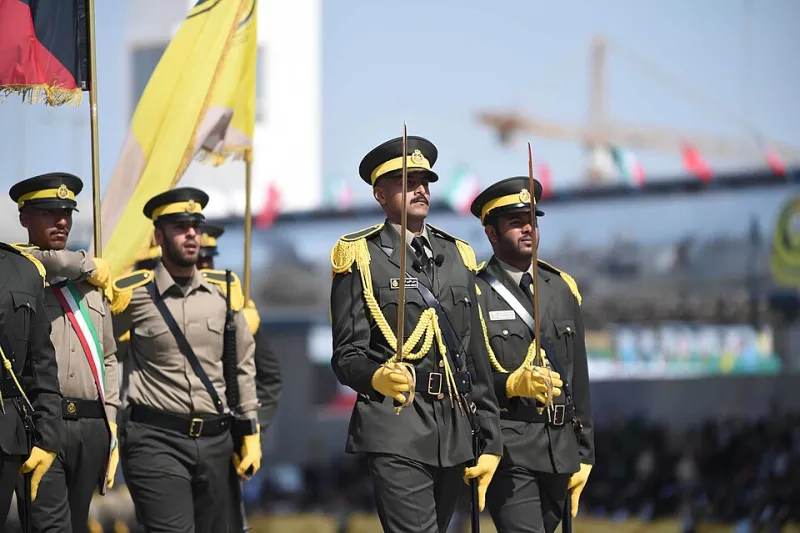
Dual Loyalties, Shared Missions: How Sainik School Alumni Are Quietly Reshaping US-India Defense Relations
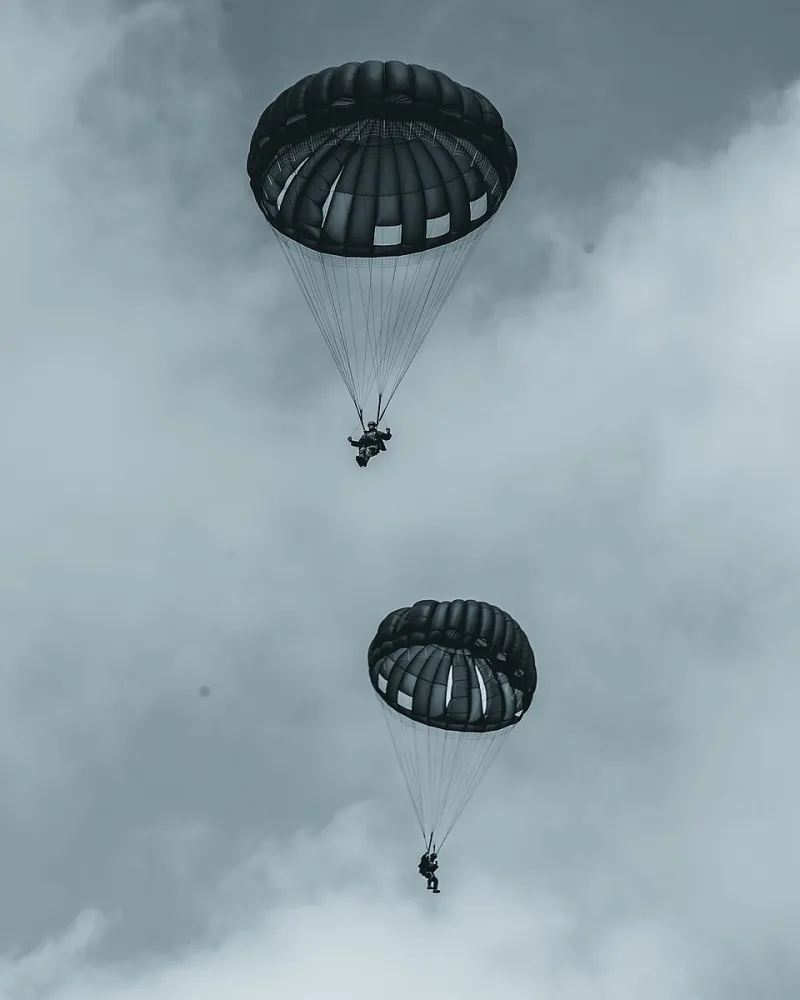
Photo: U.S. Army photo by Staff Sgt. Timothy Hamlin, Public domain, via Wikimedia Commons
The formal architecture of the United States-India defense relationship is well documented. The Major Defence Partner designation, the LEMOA and BECA foundational agreements, the annual Malabar naval exercises, the burgeoning defense trade that has grown from near zero to tens of billions of dollars over the past two decades — these are the visible, institutional expressions of a strategic partnership that both governments have invested considerable diplomatic capital in constructing.
What receives far less attention is the human infrastructure that underlies and, in many ways, enables those formal arrangements. Specifically, the growing community of Sainik School alumni who now serve in the United States military, work within American defense and intelligence agencies, or occupy leadership roles in defense-adjacent industries — and who bring to those positions a depth of cultural, institutional, and personal knowledge about India's military establishment that no amount of formal training can replicate.
This is not merely an interesting demographic footnote. It is, we would argue, one of the most underappreciated dimensions of the US-India strategic partnership.
The Soft Power Nobody Is Talking About
In foreign policy discourse, soft power is typically understood as the capacity of a nation to attract, persuade, and influence through cultural appeal, values, and institutional prestige rather than through coercion or financial incentive. The United States has long recognized the strategic value of soft power. India, with its diaspora of nearly four million Americans and its centuries-deep cultural traditions, has accumulated enormous soft power reserves within the United States.
But there is a more specific, more operationally relevant form of soft power at work here — one rooted not in Bollywood films or yoga studios, but in shared institutional experience. Sainik School alumni who serve in the U.S. military possess something genuinely rare: a firsthand understanding of how the Indian Armed Forces think, communicate, plan, and operate. They absorbed this understanding not from academic study or intelligence assessments, but from years of immersion in an educational system explicitly designed to produce Indian military officers.
That knowledge, deployed within American defense institutions, functions as a form of institutional soft power — the capacity to build genuine rapport, navigate cultural nuance, and facilitate cooperation at a level of depth that formal diplomatic channels rarely achieve.
Networks That Transcend Borders
The Sainik School alumni network is, by its nature, a profoundly bonded community. Those who have attended these residential schools share experiences of a particular intensity — years of communal living, shared hardship, and the forging of character under institutional pressure. The friendships and professional relationships that emerge from that environment tend to be durable in ways that ordinary professional networks are not.
For alumni now operating within the American defense ecosystem, those bonds remain active. Former classmates who pursued military careers in India now serve as general officers, defense ministry officials, and strategic planners. Former batchmates who entered the private sector occupy senior roles in Indian defense industry and technology. The alumni who bridged to American service and careers have not severed those connections — they have maintained them, across decades and across oceans.
This creates a network of informal but substantive relationships that operates in parallel to — and often in advance of — formal diplomatic and military-to-military engagement. When American defense officials seek to understand Indian institutional priorities, when joint exercise planners need to navigate procedural differences, when defense contractors are working to build relationships with Indian counterparts, the presence of Sainik School alumni in those conversations can meaningfully accelerate trust and reduce friction.
The Strategic Case for Institutional Investment
It would be a mistake to treat this phenomenon as purely organic — a happy accident of immigration patterns and individual ambition. The Sainik School Society believes there is a compelling strategic case for deliberately cultivating and supporting this community, both as a matter of institutional responsibility and as a contribution to the broader US-India relationship.
Consider the current strategic environment. The United States and India are deepening their defense partnership at a pace that would have been unimaginable a generation ago. The two nations are collaborating on advanced defense technology co-production, conducting increasingly sophisticated joint military exercises across all domains, and aligning their strategic assessments on a range of regional security challenges. The demand for individuals who can operate effectively within both institutional cultures — who understand both the American and Indian military traditions from the inside — is growing rapidly.
Sainik School alumni represent a ready supply of exactly that human capital. The question is whether American defense institutions, and the alumni community itself, are doing enough to recognize, develop, and deploy that resource intentionally.
An Honest Assessment of Challenges
Any serious discussion of this topic must acknowledge the complexities involved. Alumni who serve in the United States Armed Forces do so as American officers, with undivided loyalty to the United States Constitution and the American chain of command. Their value lies not in any divided allegiance — which would be neither appropriate nor acceptable — but in the cultural fluency and institutional knowledge they bring to the service of American interests.
There are also legitimate questions about how this community engages with the broader US-India policy landscape. Alumni who work in defense industry or government advisory roles must navigate the same ethical and legal frameworks as any other American professional, and the Sainik School Society does not advocate for any privileged access or special treatment. What we do advocate for is the deliberate recognition of a genuine strategic asset — one that has been developed through decades of rigorous education and personal commitment — and its thoughtful integration into American defense planning and diplomacy.
What the Alumni Community Can Do
For its part, the Sainik School alumni community in the United States has an important role to play in making this potential concrete. That means investing in formal networking structures that connect alumni across the American defense and policy landscape. It means creating mentorship pathways for younger alumni who are navigating military service, defense careers, or national security education. It means engaging with institutions like the Atlantic Council, the Center for Strategic and International Studies, and the various service branch international affairs offices to ensure that the community's expertise is visible and accessible to those who can benefit from it.
It also means maintaining the bonds with the broader global alumni network — with former classmates and batchmates who have built distinguished careers in India's military and defense establishment — so that the informal bridges remain strong and functional.
The formal architecture of US-India defense cooperation will continue to be built by diplomats, generals, and heads of state. But it is the human connections — the shared institutional histories, the mutual respect born of common experience, the trust that develops between individuals who have walked the same parade grounds — that will ultimately determine how deep and durable that partnership becomes.
The Sainik School alumni community in America is uniquely positioned to strengthen those connections. The moment to invest in that potential is now.
The Sainik School Society is committed to supporting alumni who serve in military, government, and defense roles across the United States, and to fostering meaningful connections between the American and Indian defense communities.